

Accra, Ghana – June 30, 2026
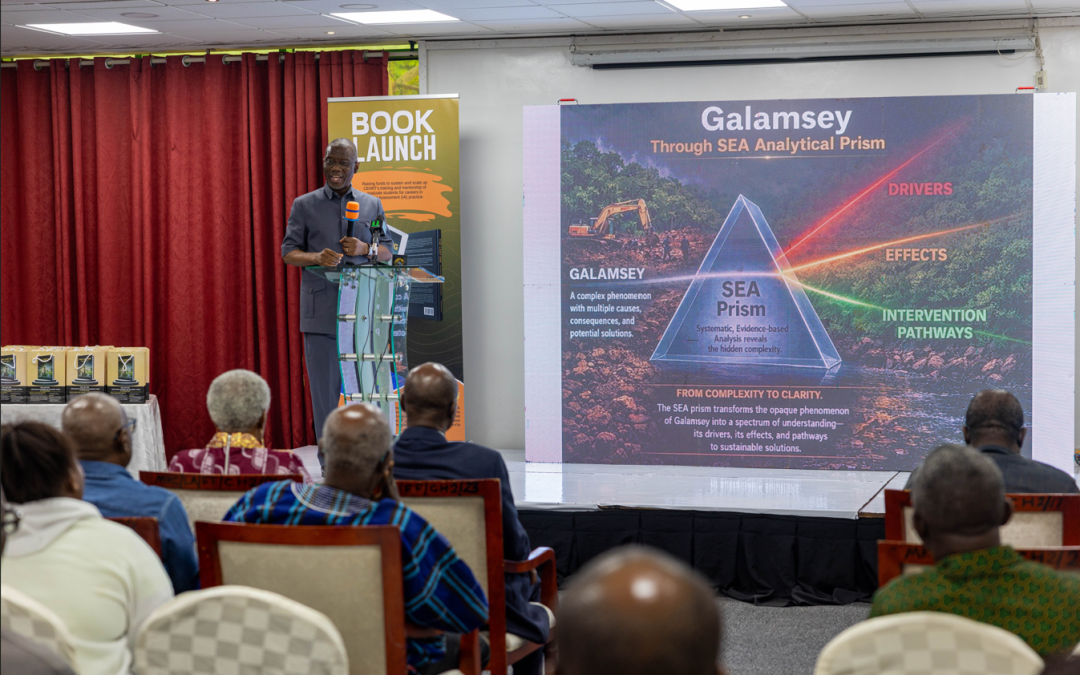
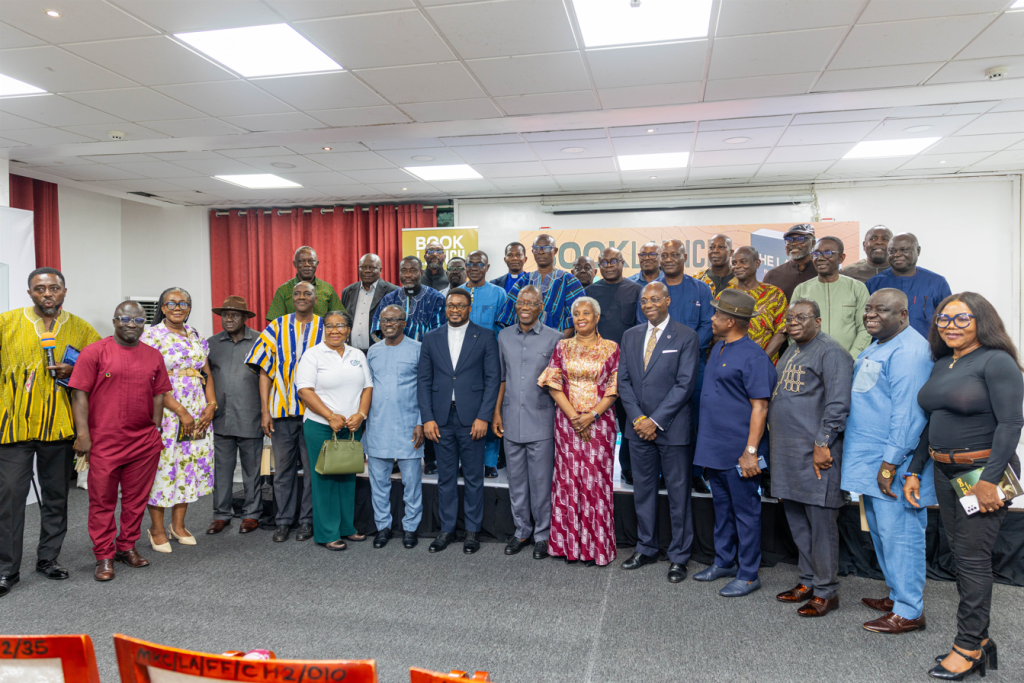
CEHRT Ghana’s Founder and Executive Chairman, Mr Yaw Amoyaw-Osei, has officially launched his latest book, The Last Dig: How Benjie Changed the Galamsey Story, at the Mikaddo Conference Centre in Accra, marking a significant milestone in the evolution of environmental communication and Impact Assessment practice.
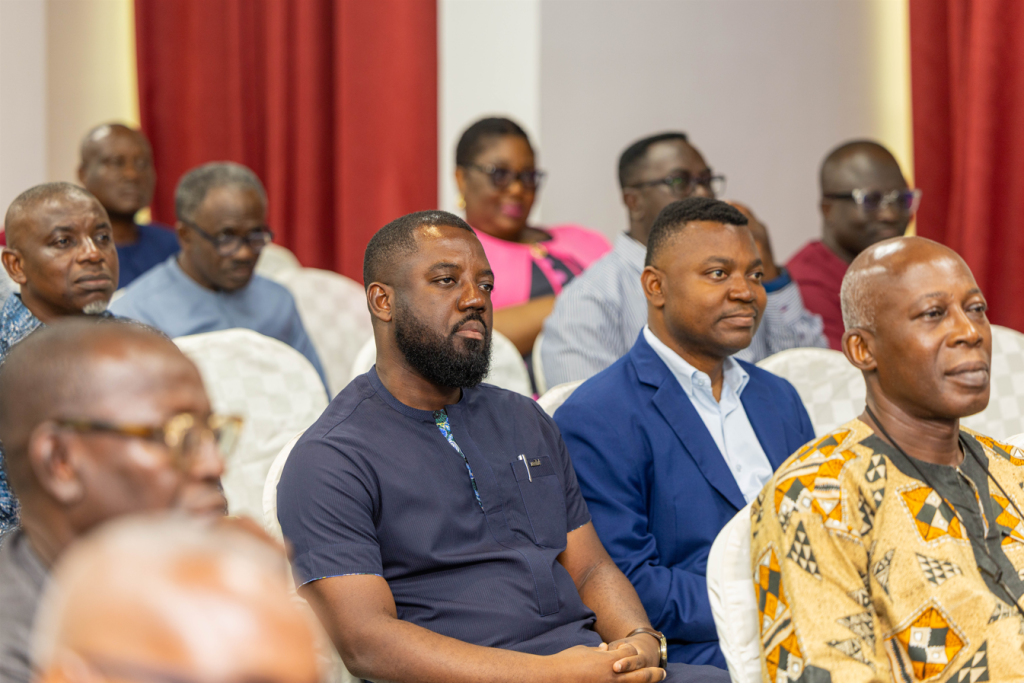
The launch brought together environmental practitioners, policymakers, academics, development partners, students, and civil society leaders to celebrate a publication that is redefining how technical environmental knowledge can be communicated to wider audiences.
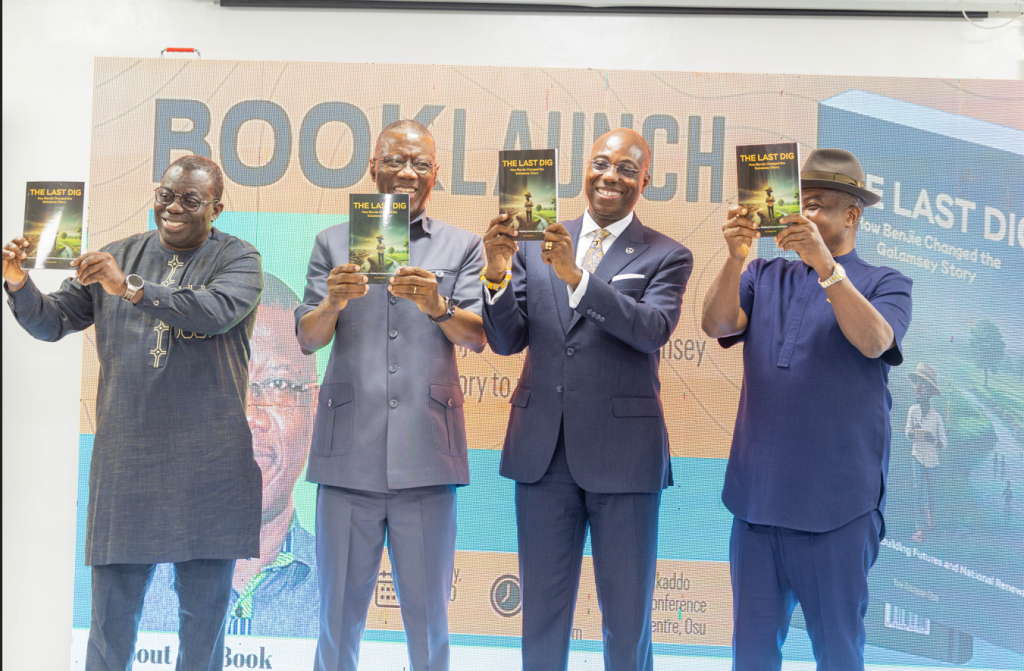
Unlike conventional publications on environmental governance, The Last Dig transforms the findings of a Strategic Environmental Assessment (SEA) on the formalisation of artisanal and small-scale mining into a compelling semi-fictional narrative. By doing so, it bridges the long-standing gap between technical policy documents and public understanding.
Reflecting on the inspiration behind the book, Mr Amoyaw-Osei explained that after completing the SEA on Ghana’s galamsey challenge, he became concerned that the report’s recommendations—despite their potential to shape national policy—would remain inaccessible to the broader public.
Rather than allowing the work to remain on the shelf, he chose an unconventional path: recasting the technical assessment into an engaging story capable of informing policymakers, students, practitioners and ordinary citizens alike. This innovative approach was recently presented at an international conference in Quebec City, Canada, where it was recognised as the first known example of translating a technical SEA report into narrative storytelling for wider public engagement.
The fictional nation of Hanag provides the setting through which readers encounter the realities of environmental degradation, governance failures and institutional challenges associated with illegal mining. Yet the story goes beyond exposing problems. It demonstrates how Strategic Environmental Assessment can guide policy formulation, improve programme planning and promote sustainable development through evidence-based decision-making. The book also includes illustrative appendices showing how an SEA is conducted, making it an invaluable learning resource for graduate students and professionals in Impact Assessment.
Delivering the official review, Professor Daniel A. Wubah, President of Millersville University of Pennsylvania (also known as Nana Ofosu Peko III, Toapentenhene of Breman Asikuma), described The Last Dig as “a rare integration” of literature, public policy and environmental education.
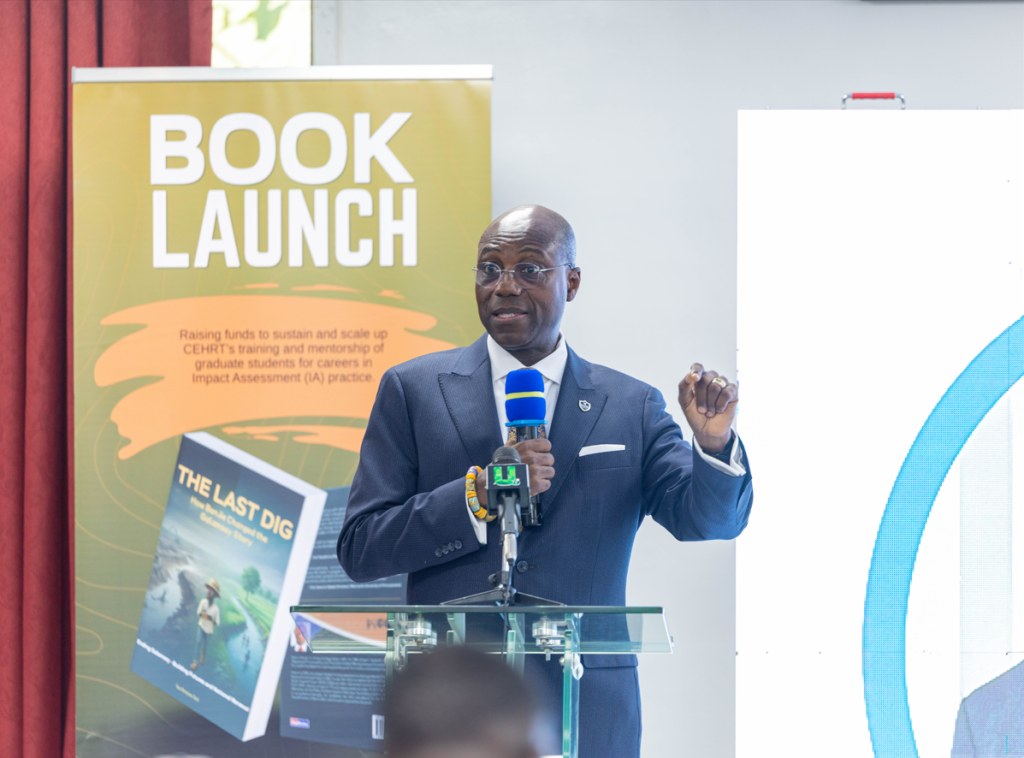
He noted that the publication succeeds because it tells an engaging human story while educating readers about one of Ghana’s most pressing governance challenges. According to Prof. Wubah, the book demonstrates that illegal mining is not merely a law-enforcement issue but a complex systems challenge requiring coordinated institutional reforms, stronger governance and sustainable economic alternatives.
He further praised the book’s innovative use of storytelling to simplify complex concepts in Strategic Environmental Assessment and Impact Assessment, making them accessible to audiences well beyond environmental professionals. The result, he observed, is a publication that educates while maintaining emotional engagement—an achievement that few technical books accomplish successfully.
Prof. Wubah concluded that The Last Dig deserves to be widely read by government officials, parliamentarians, traditional leaders, educators, students, civil society organisations, mining companies and environmental practitioners. He described it as one of the most significant Ghanaian publications on environmental governance and sustainable mining in recent years, commending Mr Amoyaw-Osei for producing a work of lasting national relevance.
For CEHRT Ghana, the publication reflects the organisation’s longstanding commitment to advancing excellence in Impact Assessment, environmental governance and capacity development. By translating complex technical knowledge into an accessible and engaging format, The Last Dig demonstrates how innovation in communication can strengthen evidence-based policymaking while inspiring future generations of environmental professionals.
As Ghana continues to confront the challenges of illegal mining and sustainable resource management, the book stands as both an educational resource and a compelling call for informed, collaborative and forward-looking environmental leadership.